
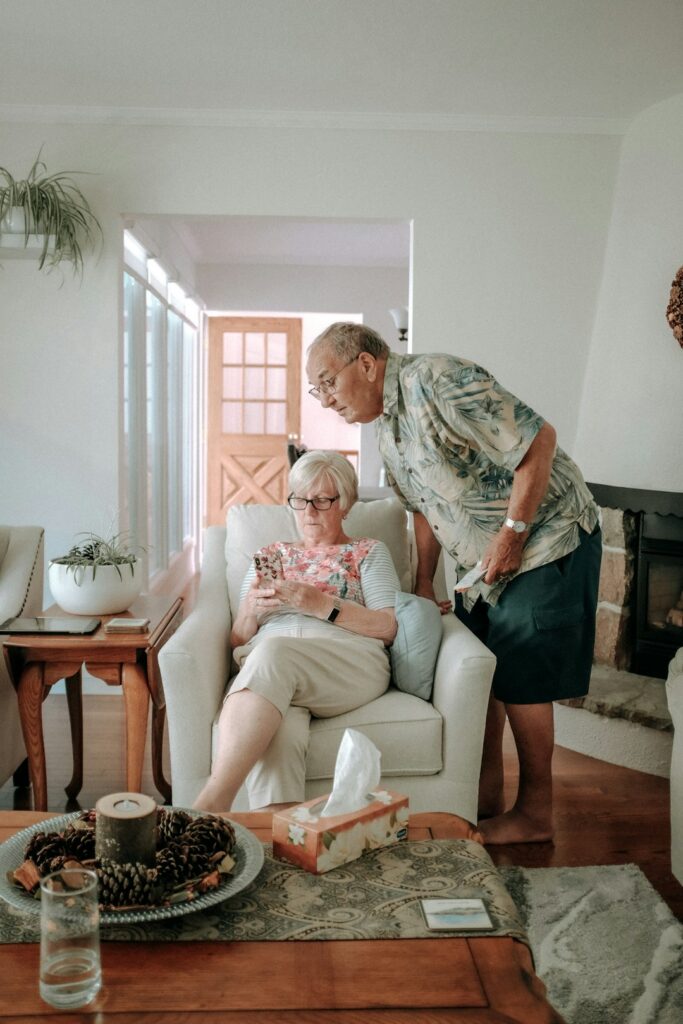
Conflict in an assisted living residence can involve residents, family members, caregivers, roommates, or administrators. Disagreements may arise over schedules, noise, privacy, personal belongings, care routines, visitors, shared spaces, or changes in a resident’s abilities.
Most conflicts can be handled more effectively when concerns are raised early, discussed calmly, and described with specific facts. The goal is not always to make everyone agree. It is to find a safe, respectful arrangement that protects the resident’s dignity and daily well-being.
What types of conflict are common in assisted living?
Common disputes include roommate tension, misunderstandings about care, disagreements between families and staff, and concerns about rules or services.
Examples include:
- A roommate plays television or music late at night.
- A resident believes personal items have been moved or misplaced.
- Family members disagree about care decisions.
- A resident feels rushed during bathing, meals, or medication routines.
- A family member believes staff did not communicate a change in condition.
- Residents disagree about seating, activities, shared rooms, or temperature.
- A person with memory loss becomes suspicious, irritable, or upset.
Some behavior that appears intentional may be connected to hearing loss, pain, medication effects, dementia, anxiety, fatigue, or difficulty understanding a situation. That possibility does not mean the concern should be ignored. It means the response should include curiosity and observation rather than immediate blame.
What should a resident do first?
Start by identifying exactly what happened, when it happened, and how it affected safety, privacy, comfort, or care.
A resident can write down:
- The date and approximate time
- The people involved
- What was said or done
- Any witnesses
- Whether the problem has happened before
- What outcome would help resolve it
A short factual description is usually more useful than a broad statement such as “Nobody listens.” For example: “The hallway light outside the room stayed on overnight for three nights, making it difficult to sleep.”
If the issue is minor and safe to discuss, the resident may speak directly with the other person. A calm statement such as, “The television keeps me awake after 10 p.m.; could we agree on headphones or a lower volume?” gives the other person a clear problem and a practical option.
Direct discussion is not appropriate if there is intimidation, threats, harassment, suspected abuse, discrimination, or a significant power difference. In those situations, the concern should go to staff or an administrator.
How can roommate disagreements be managed?
Roommate conflicts often improve when expectations are made specific. Residents may need to discuss sleeping hours, lighting, visitors, phone calls, personal belongings, television volume, food storage, and use of shared furniture.
A staff member can help create a written roommate agreement covering:
- Quiet hours
- Lights and television
- Room temperature and window use
- Visitors
- Shared supplies
- Privacy and personal space
- How either person can request help
The agreement should account for health needs. A resident who needs frequent nighttime assistance may not be able to follow the same routine as another person. Hearing devices, mobility equipment, oxygen equipment, and fall-prevention needs may also affect how a room is arranged.
Room changes are sometimes considered, but they may not be the first or only solution. Staff should first look at whether lighting, noise, confusion, pain, or an unmet care need is contributing to the disagreement.
What if the conflict involves staff or care?
A resident or family member should ask for a private conversation with the staff member involved or the person responsible for resident concerns. Use clear examples and describe the desired change.
For example:
- “The morning shower was missed twice this week.”
- “The medication explanation was difficult to hear.”
- “The call bell was not answered promptly on several occasions.”
- “The care plan does not appear to reflect the resident’s current mobility.”

Ask what was documented, what will change, who is responsible, and when the concern will be reviewed. If a family member is speaking on behalf of a resident, the resident’s preferences and privacy should remain central.
Written complaints can be useful when a concern is repeated or unresolved. Pennsylvania assisted living residences are required to have a process for receiving and responding to complaints. Residents should not face intimidation, threats, or retaliation for raising a good-faith concern. If a resident needs help putting a complaint in writing, the residence is expected to provide assistance.
How should families handle disagreements with one another?
Family conflict often reflects different beliefs about independence, risk, money, medical care, or the resident’s future. A useful first step is to separate facts from opinions.
Facts might include a fall, a missed meal, a change in weight, or a documented medication issue. Opinions might include whether the resident is “doing fine” or whether a particular care choice is “too restrictive.”
Family meetings work better when participants:
- Focus on the resident’s stated wishes and known values
- Address one decision at a time
- Avoid arguing in front of the resident
- Ask staff to explain the care plan in plain language
- Identify who has legal authority to make decisions, if applicable
- Record agreed-upon next steps
A resident with decision-making capacity should generally be included in discussions about daily life and care. Family members should not assume that louder or more frequent participation means greater authority.
When is conflict a safety issue?
A disagreement becomes urgent when it involves threats, physical contact, sexual misconduct, financial exploitation, stalking, repeated intimidation, unsafe restraint, medication interference, or suspected neglect or abuse.
Immediate danger requires prompt action through emergency services or the residence’s urgent response procedures. A resident who is injured, frightened, or unable to remain safe should not be expected to mediate the problem alone.
Other warning signs include sudden withdrawal, unexplained bruises, missing money, repeated fear of a particular person, major changes in sleep or eating, or a resident being punished after making a complaint. These concerns should be documented and reported through the residence’s complaint process and, when appropriate, to Pennsylvania’s oversight authorities or the long-term care ombudsman program.
What if the residence does not resolve the problem?
Ask for the administrator or designated grievance contact and request a written explanation of the response. Keep copies of letters, emails, notes, care-plan updates, and meeting summaries.
If internal steps do not resolve a serious concern, residents and families may seek help from Pennsylvania’s Long-Term Care Ombudsman Program, the local Area Agency on Aging, or the Department of Human Services Bureau of Human Services Licensing. These resources can help clarify complaint procedures and determine whether a concern involves resident rights, quality of care, or licensing requirements.
For households in Carlisle, seasonal conditions can add stress to daily routines. Winter weather may limit visitors, delay transportation, affect building access, or increase isolation. Planning ahead for communication, indoor activities, medication access, and family check-ins can reduce tension during disruptive periods.
What communication approach usually works best?
Use a calm voice, short sentences, and one concern at a time. Choose a private setting rather than raising the issue in a dining room or hallway. Allow time for the person to respond, especially if hearing, speech, memory, or processing difficulties are involved.
Conflict is more likely to improve when people describe the behavior, explain its effect, and request a specific change. Respectful communication does not require accepting unsafe conduct. It provides a clearer path toward accountability, documentation, and a workable solution.
